
A conversation needs a project owner
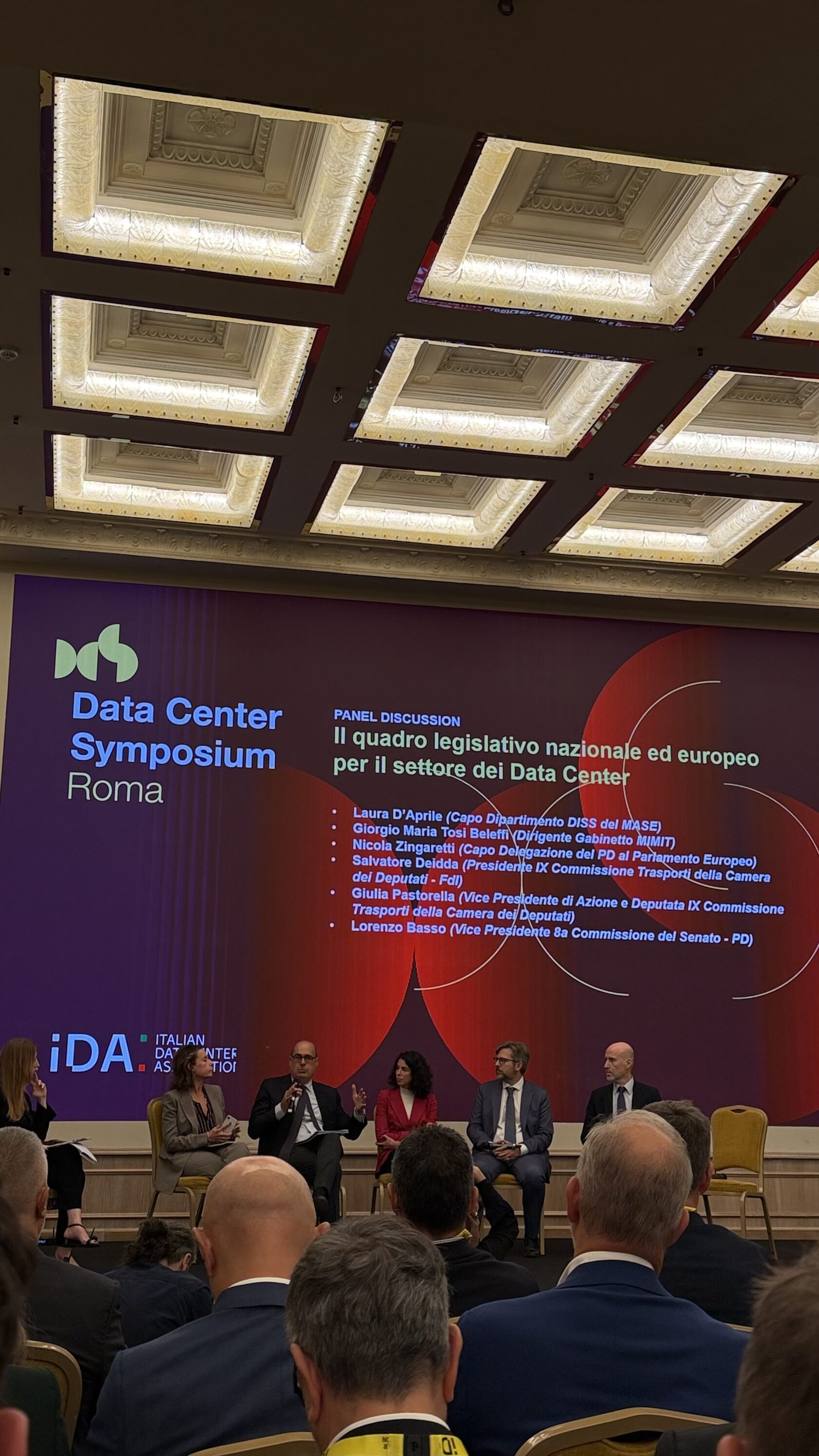
Our LinkedIn update from the symposium in Rome brought institutions and the data centre industry into the same conversation. For a development team, the practical question is how to turn those interfaces into a clear process: who is responsible for the next step, what information is needed and which decisions belong to the client.
Keep responsibilities visible
Architects, planners, electrical specialists, legal advisers and network operators each have different roles. A responsibility matrix should identify the appointed lead for each interface, the information they need and the route for escalating an unresolved issue. A client representative supports that coordination; the relevant professionals, authorities and operators retain their own responsibilities and decisions.
Translate information into choices
An international client needs more than a list of meetings. Useful reporting explains what has changed, which assumption is still unconfirmed, what the appointed specialist recommends and when a client decision is needed. Italian and English reporting should carry the same commercial context and clearly distinguish confirmed information from working assumptions.
Join the existing team with a defined remit
Moroz & Partners joins the client’s existing development team. Anastasia Moroz leads the relationship, with specialist collaborators coordinated around the agreed scope. Our appointment can sit alongside an existing PM or design team and focus on local follow-up, consultant coordination, power interfaces or consolidated reporting.
From the symposium in Rome
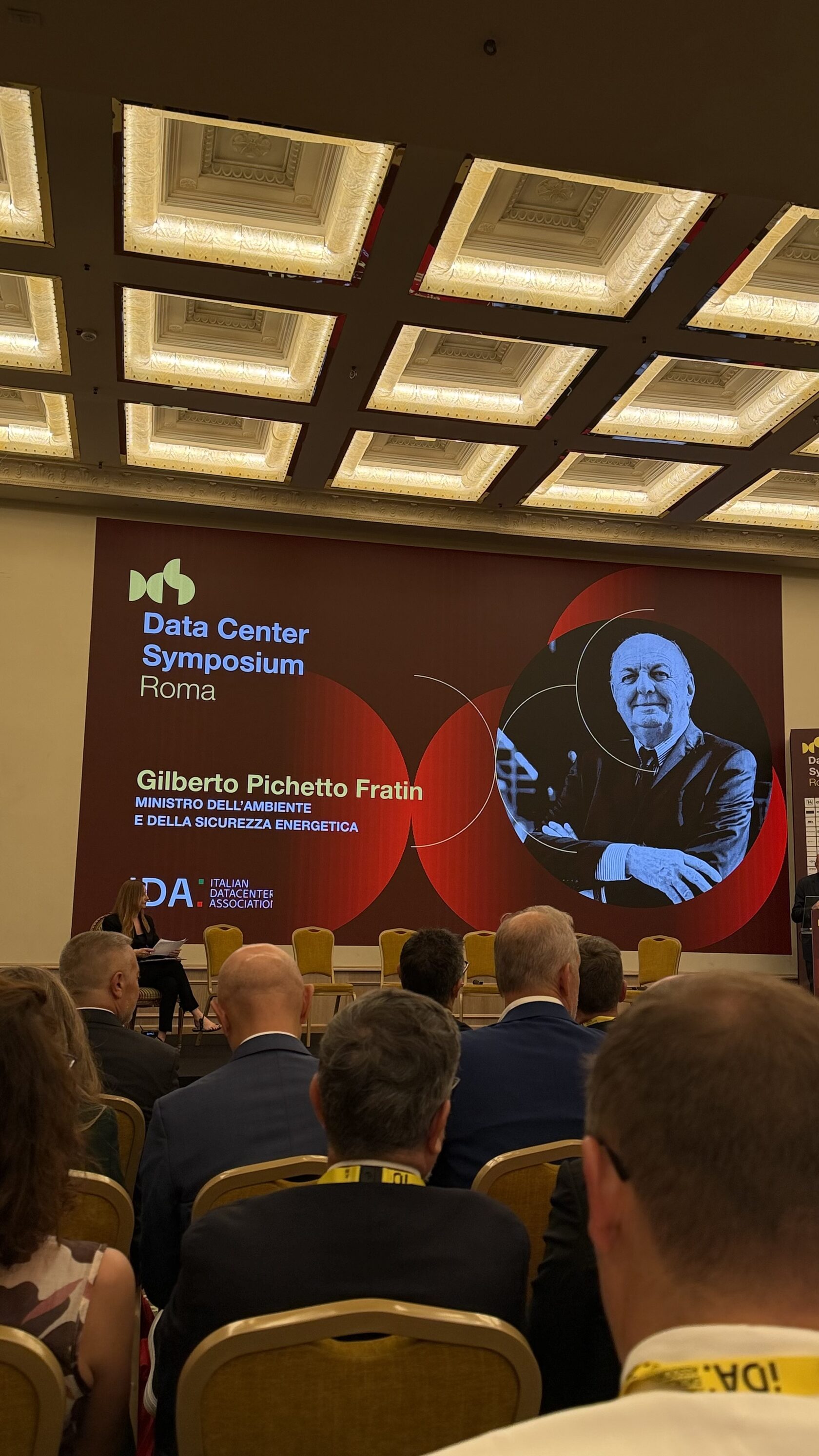
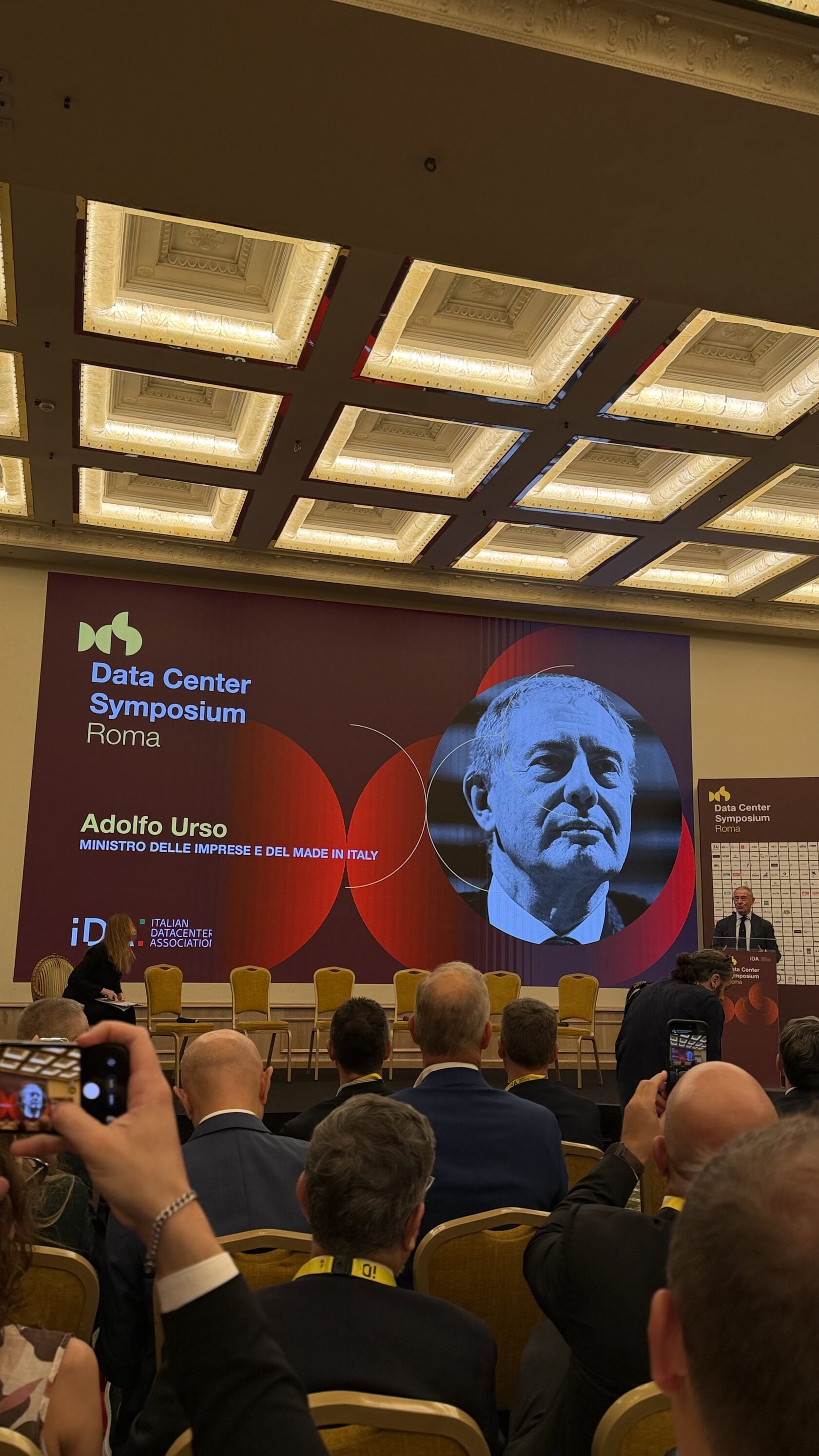
These photographs were taken at Data Center Symposium Roma on 8 October 2026. The event brought the data centre industry and institutional perspectives into the same setting—the context for the coordination questions explored in this article.
Developed from Anastasia Moroz’s Rome symposium update, shared by Moroz & Partners on LinkedIn
Open the source on LinkedIn